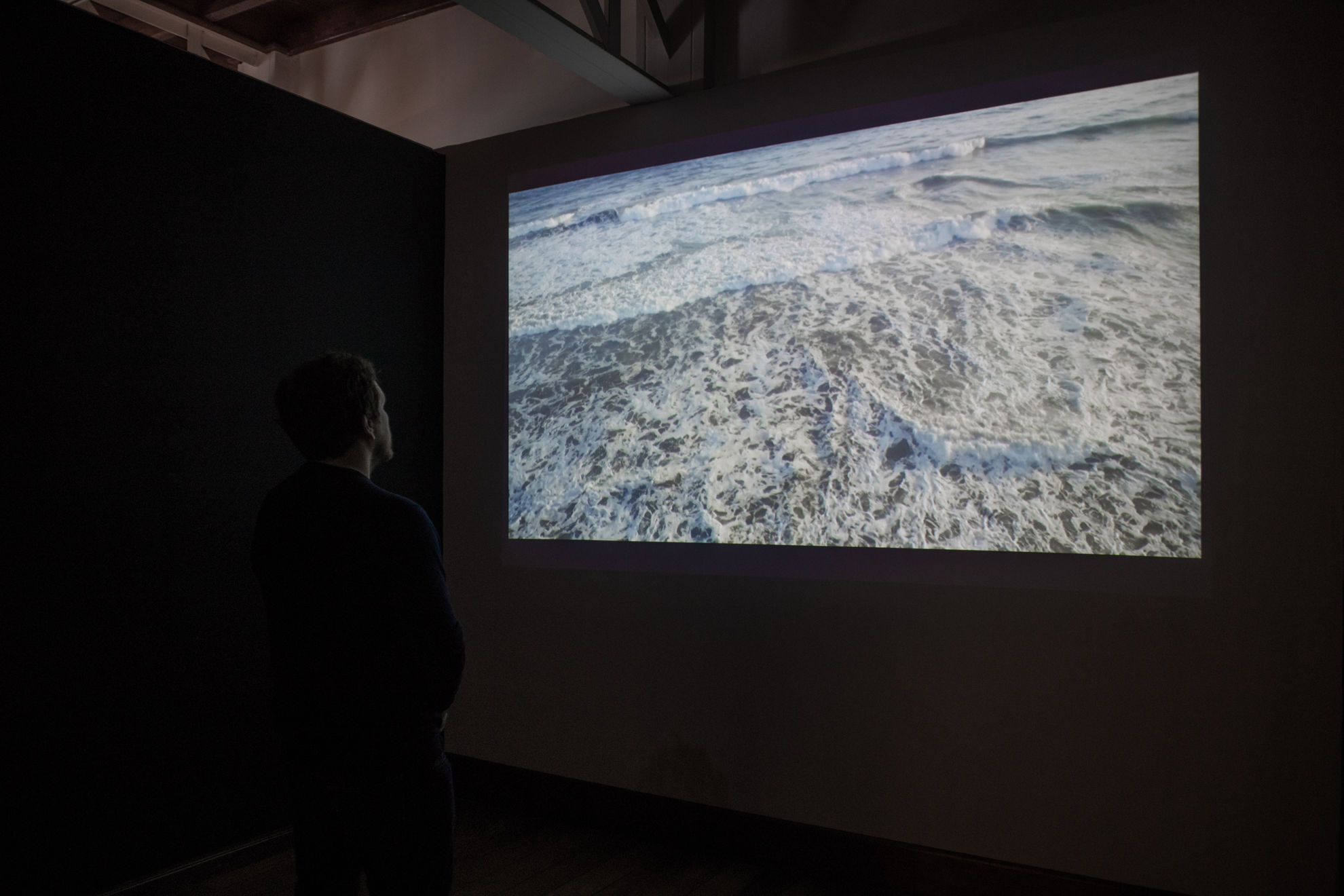
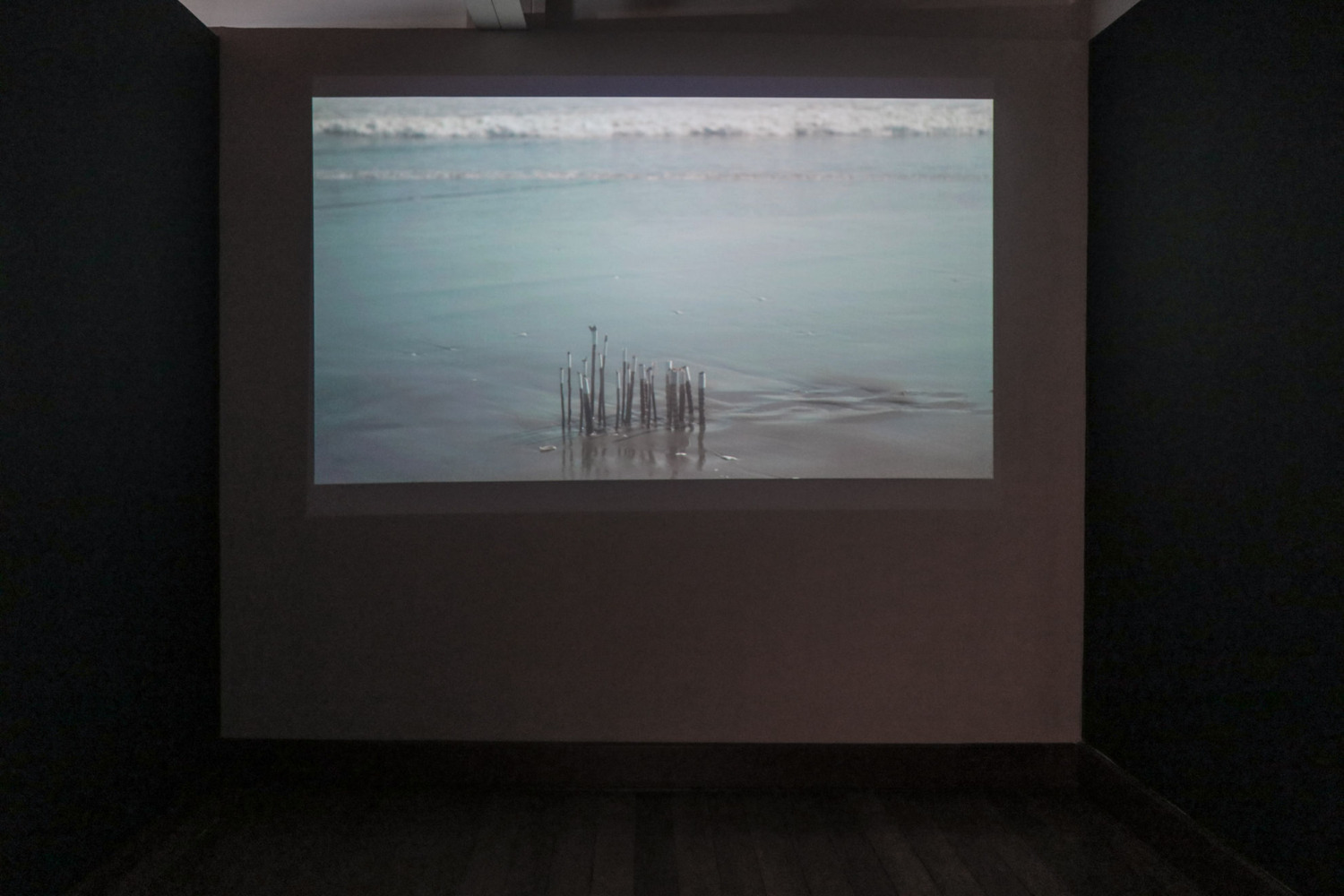
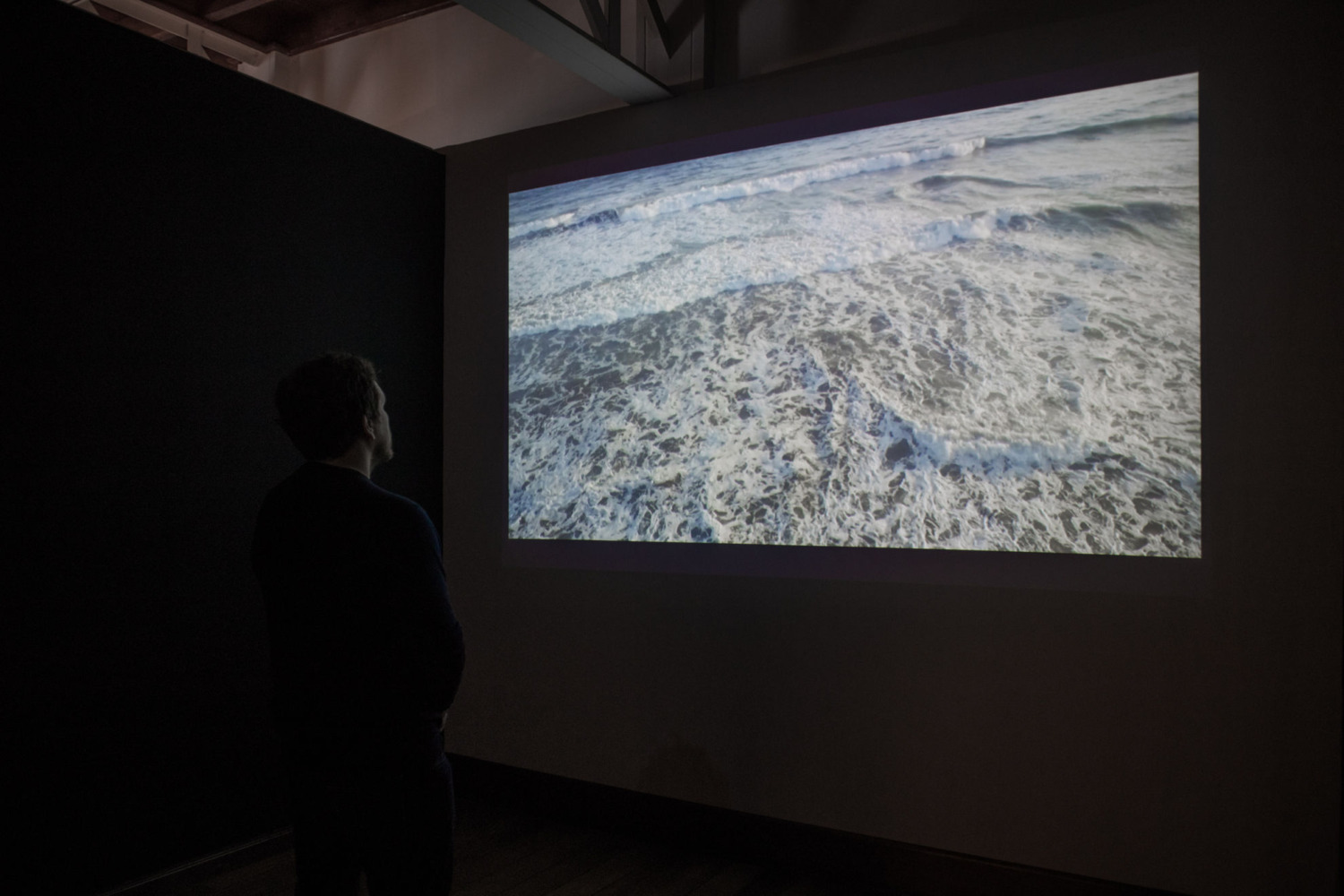
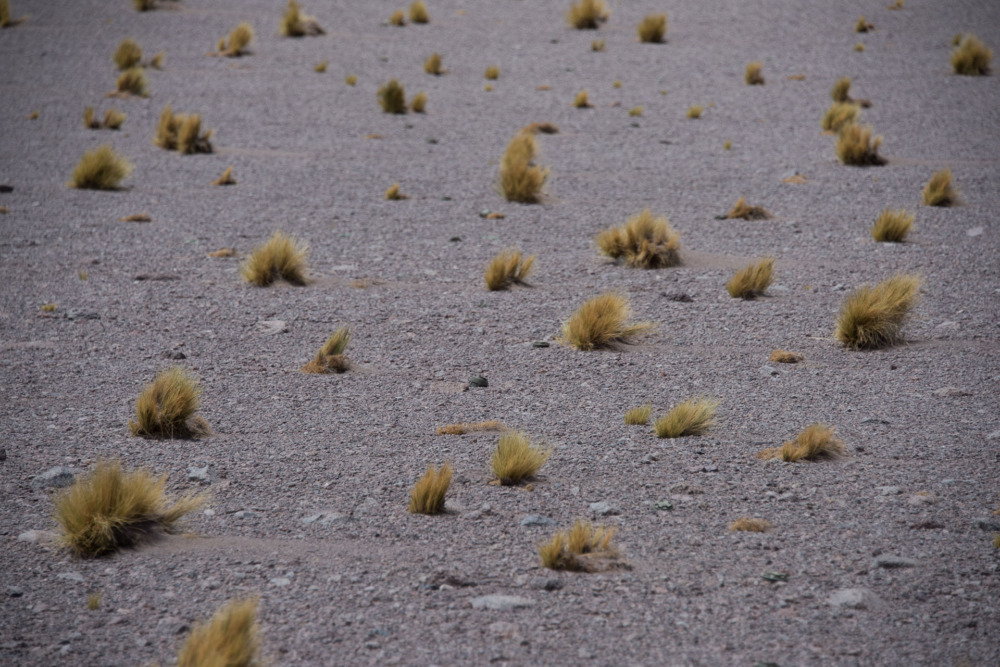
The team travelled for a week to the Hawapi residence camp on the border between Chile and Peru. The work took place in the Terrestrial Triangle, a territory that is disputed between the two countries. They performed demarcation actions aimed at reclaiming the territory. This had unexpected consequences with the inhabitants of the neighbouring town (Santa Rosa). The second territory explored was the Terrestrial Triangle, disputed by Chile and Peru and claimed as their own by both countries. We settled there with a group of 15 artists from various countries in April 2017. We arrived cautious, suspicious and fearful of the potential danger of the place, so we were first concerned about sorting out logistics and personal protection, having enough drinking water, protection from the sun, getting used to the meal schedule and getting to sleep. We quickly realised that there were not many comfortable places to be alone and proposed a collective action that consisted of marking places around the camp that were cleared of landmines. By means of sticks, poles and branches intervened with reflective tape, we demarcated a boundary that would make it possible at all times – especially at night – to identify the areas where people could walk without fear. The set of improvised stakes were thus building a diagram in the territory, a record of our most common routes that made visible the way in which we were occupying this space. Once installed, the days passed placidly: the beach, the paradisiacal climate, the calm and the silence. We had formed a group concerned with their work and with collaborating on each other’s activity, organised on domestic levels and only concerned with participating in the “utopian citadel” (Alarcón and Saavedra, Triángulo Terrestre, HAWAPI Catalogue 2017) that we had managed to create. But it was just then that a white municipal van appeared at the edge of the beach, with officials accusing us of trespassing and taking over the territory. Our encampment on the border also provoked complaints from the inhabitants of the neighbouring Peruvian town of Santa Rosa, which resulted in further pressure for our expulsion from the area. What was published in the local press was a lie-truth, in the sense that it opened our eyes to a way of seeing things that was not false. By trying to inhabit a territory in a transitory way, we had become invaders of that place in the eyes of those who inhabit it.